

How To Clean Up Super Glue
If you have any experience with adhesives of any kind, you'll be familiar with the challenge involved in removing them from fabrics or other surface types. Liquid adhesive can be the most difficult, as the surface usually absorbs the spill which makes removing it a hassle. If you get glue on your fingers or skin it can be a very tricky situation. In the following article, we will look at how to remove super glue in different ways and we will cover removing super glue from your skin.
Table of Content
- 1 How to Dissolve Super Glue
- 1.1 Simple Super Glue Removal with Acetone
- 2 How to Get Super Glue off Everything
- 2.1 How to Remove Super Glue from Your Skin
- 2.2 How to Remove Dried Super Glue from Wood Surfaces
- 2.3 Removing Super Glue from Clothes and Fabrics
- 2.4 Removing Super Glue from Carpets with Rubbing Alcohol
- 3 Removing Super Glue from Tough Surfaces
- 3.1 How to Get Super Glue off Plastics
- 3.2 Removing Super Glue from Glass and Metals
- 4 A Summary of the Best Methods for Removing Super Glue
- 5 Frequently Asked Questions
- 5.1 How to Dissolve Super Glue?
- 5.2 What Removes Super Glue?
- 5.3 How to Remove Dried Super Glue?
- 5.4 What Makes a Good Super Glue Remover?
How to Dissolve Super Glue
Once an adhesive has dried completely, it doesn't mean it's stuck permanently. Firstly, we will deal with how to dissolve super glue and what makes this possible. Well, there are chemical components that counteract the ingredients in superglue, causing it to break down. You may find these items at the store, while others may already be found around your house. With the help of these, you'll be able to remove super glue from wood, clothes, or other surface types without causing any damage. Let's explore these different methods together.
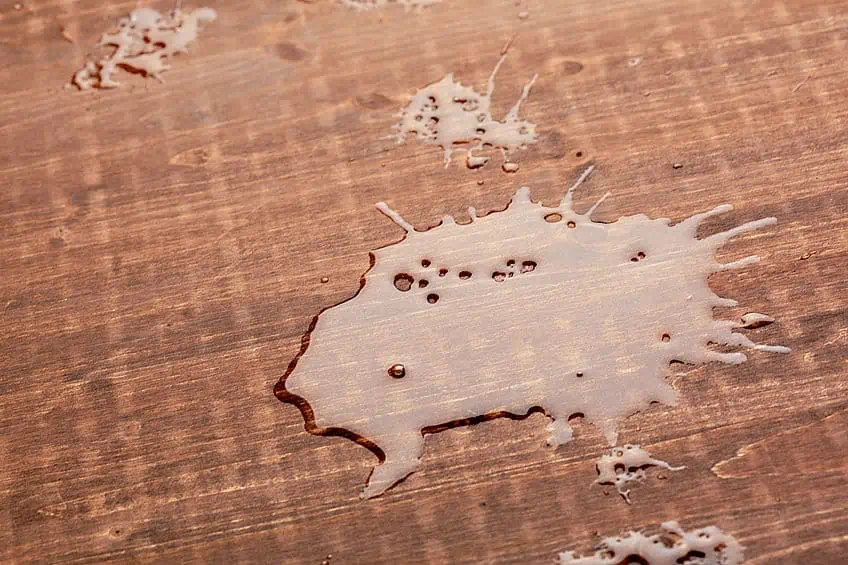
Simple Super Glue Removal with Acetone
If you are trying to remove super glue from your skin or another type of surface, acetone is a great solution. You might even have it around the house already. Pure acetone is a colorless substance developed from alcohol, it is strong and effective for super glue removal. This method is fast and hassle-free and you can use it on your skin and various other surface types.
Rubbing alcohol and acetone are strong chemicals that may not always do well with your surface. When you attempt removing super glue from a carpet, or a painted wood object, for instance, these methods could cause damage to these items. There is a chance you could degrade the paint or varnish.
How to Get Super Glue off Everything
Next, we will take a look at what removes super glue from almost every surface. Whether you have super glue on your skin, on your favorite item of clothing, or on your wooden table, there are tried and tested ways to remove it. Next time you spill some super glue on any surface, you can easily remove it.
How to Remove Super Glue from Your Skin
Everyone who has used super glue has most likely stuck their fingers together before. Removing super glue from your skin can sometimes be a challenging and even painful task. Some recommend sandpaper or a nail file to wear the glue carefully away from your skin. If this sounds too extreme, there are more gentle super glue removal techniques you can use. The first method involves using nail polish remover, and the second butter.
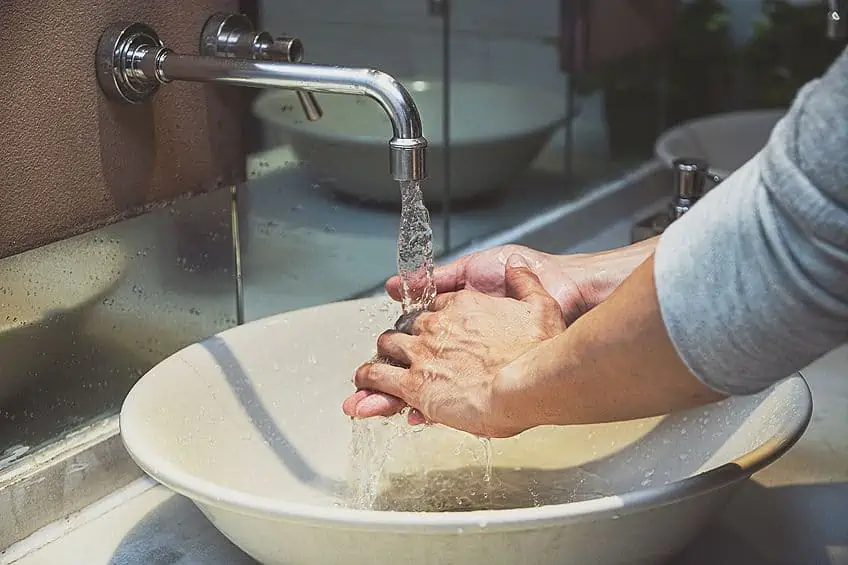
How to Dissolve Super Glue with Nail Polish Remover
For this method, you will need a cotton swab, nail polish remover, and some warm soapy water. Begin by soaking a swab or cotton ball in alcohol or nail polish remover. Leave the nail polish remover on the affected part for a few minutes to coat the glue completely. After a while, the glue will begin to loosen slightly and you can keep dabbing the area until the glue is completely removed. Then, rinse your skin thoroughly with soapy water, as this washes away any chemical residue. You might need to moisturize too, as acetone dries your skin out.
How to Dissolve Super Glue with Butter or Margarine
For this method, all you need is a little butter, margarine, or moisturizer. There are high levels of oil and fat contained in both margarine and butter, which can saturate and loosen the dry glue. Although it may not seem appealing, coating the affected area of skin with either of these will weaken the bond of the glue. You can also use any moisturizers or oils you have around the house. This includes vegetable oil, olive oil, sunflower oil, coconut oil, and even artist's oils like poppyseed or linseed oils.
How to Dissolve Super Glue with Salt and Water
If you do not like the idea of chemicals on your skin, you can use a natural super glue remover instead, made with warm water and a little salt. Fill your bathroom basin or a container with warm water. Submerge the area of your skin covered in super glue in warm water. Apply salt onto the area and rub it in. The salt will loosen the glue from your fingers very easily.
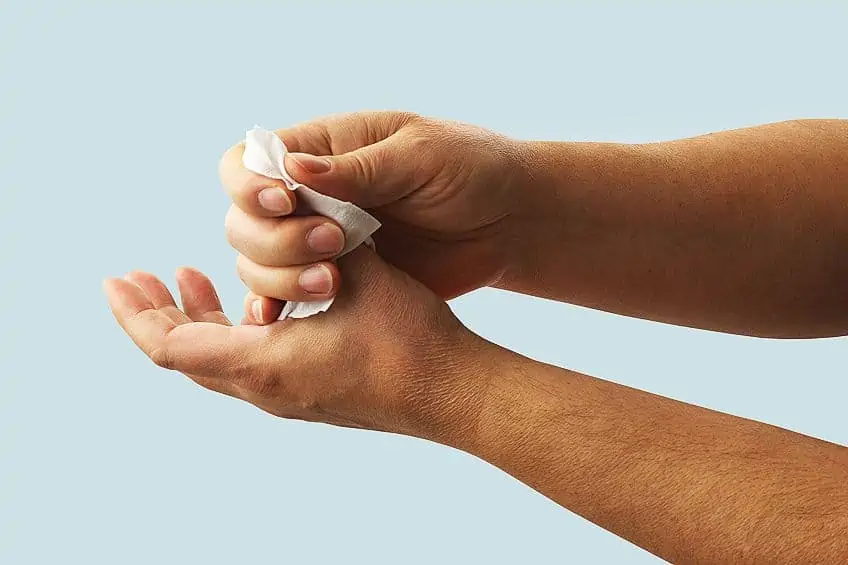
How to Remove Dried Super Glue from Wood Surfaces
As with removing super glue from your skin, there are several methods you can use to remove super glue from wood. The most effective way to get super glue off of wooden surfaces is to use acetone or rubbing alcohol, but there are also less-abrasive, non-chemical options available.
How to Dissolve Super Glue from Wood with Acetone
Acetone is the most effective method for removing super glue from your loved wooden surfaces. All you need for this method is some acetone or rubbing alcohol, a cotton swab, and a wet cloth. Cotton swabs are the best tool for this job because they are non-abrasive and have a good level of absorption. Begin by soaking your cotton swab in acetone. Carefully wipe around the outside of the glue, so the perimeter is completely coated. Once it has seeped in, the edges will be easy to lift away from the wood surface with a flat-edged implement. Wipe the area gently using a wet cloth.
The key is the sparing use of any solvent. Over-saturating the wood surface can even strip away the varnish and damage the wood.
It is a good idea to test the effect of the acetone on a small region of the wood surface to check its reaction. This way you avoid damaging a large region. It is also essential to allow any glue spilled to completely dry before trying to remove it. Attempting to clear wet glue will make the resulting spill far worse and could damage the surface.
How to Remove Super Glue from Wood with Mayonnaise
This natural method of super glue removal also moisturizes the surface of the wood. Using mayonnaise over the glued area will lubricate it and allow it to peel away from the surface easily. It's only necessary to use a small quantity, as it is very oily.
Work the mayonnaise into the glue, and it will even condition the surface of the wood and coat it with a dust protective layer. When you have left the glue for a while, it will lift away without any trouble. When using mayonnaise to lubricate the total surface of a table then it will not require wiping afterward. By rubbing it evenly into the wood you will soon see how it is revived! This technique is possible with all wood, varnished or not, for restoring and refreshing older wood surfaces. Wooden surfaces will be refreshed and conditioned like new again.
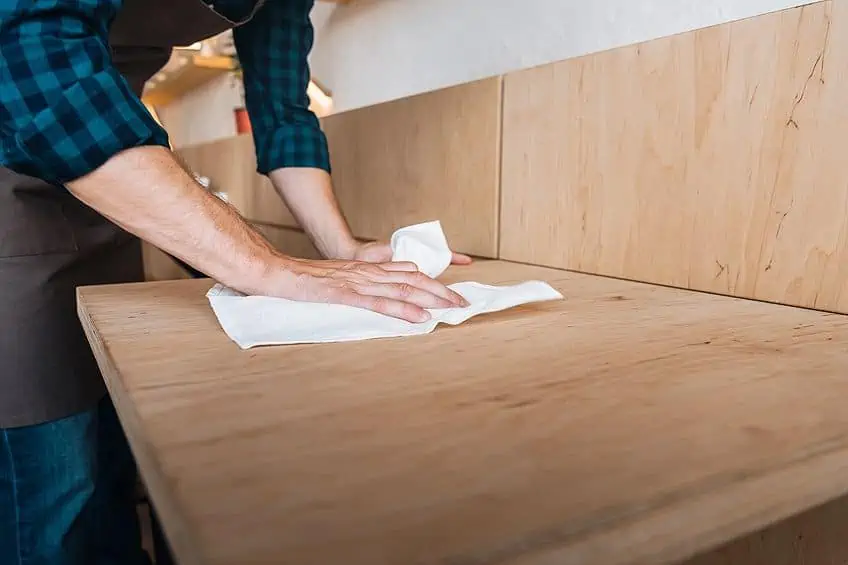
How to Dissolve Super Glue from Wood with Ice and Acetone
If your wooden surface is quite fragile and you are worried about damaging it by using a lot of acetone, you can use ice as a more natural removal option. The glue spill must first be allowed to dry for this method. Place an ice pack onto the spill for several minutes. The cold dries out the glue and will allow you to easily peel it from the surface. When you've removed the spill, wipe any residue left on the surface away with acetone. White vinegar can also be used to clean the area and then you can wipe the surface with a damp cloth to avoid the smell.
Removing Super Glue from Clothes and Fabrics
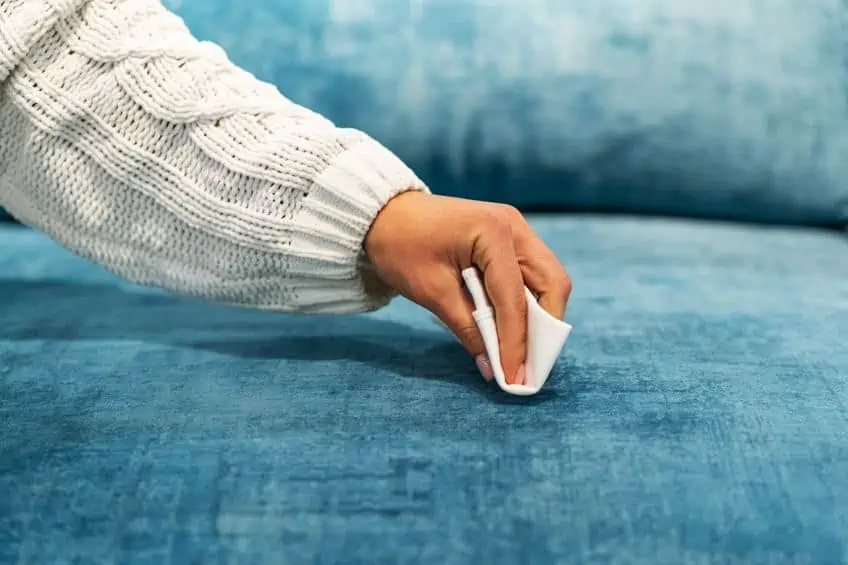
Of course, it's a frightening thought to consider possible damage to fabrics and fibers when you have accidentally spilled glue, especially super glue, on your clothing. A superglue spill doesn't have to mean getting rid of the item, as with the right removal methods it can be easily salvaged. The following two techniques will assist you in removing super glue without damaging the item. The first technique involves acetone or rubbing alcohol, while the second involves the freezer.
How to Dissolve Super Glue on Fabrics with Acetone
Colorless acetone or alcohol is effective for super glue removal from most materials. If done carefully, this method won't cause any damage at all. Fabric is delicate, so a soaked cotton ball is far too heavy an application. Instead, an old toothbrush will give you more precise control. Submerge the brush in the alcohol and begin carefully scrubbing the glued region. Repeat the process, with light scrubbing until the glue is mostly cleared. The size of the spill may determine how effective this method is, as it might not come off completely.
How to Remove Super Glue from Fabrics by Freezing
For a more gentle method without using chemical solvents, you can try this method on wet or dry super glue spills. Reacting quickly is the key! Right after dropping superglue onto clothing, don't touch or disturb it. Carefully remove the item of clothing first. Then put it into the freezer. As with the wood glue removal technique, this freezes and dries out the super glue for easy removal. This part takes slightly longer, as the spill requires an hour at least to set. It should then peel away without any damage to the fabric.
Washing the garment after this will ensure any glue residue is removed.
Removing Super Glue from Carpets with Rubbing Alcohol
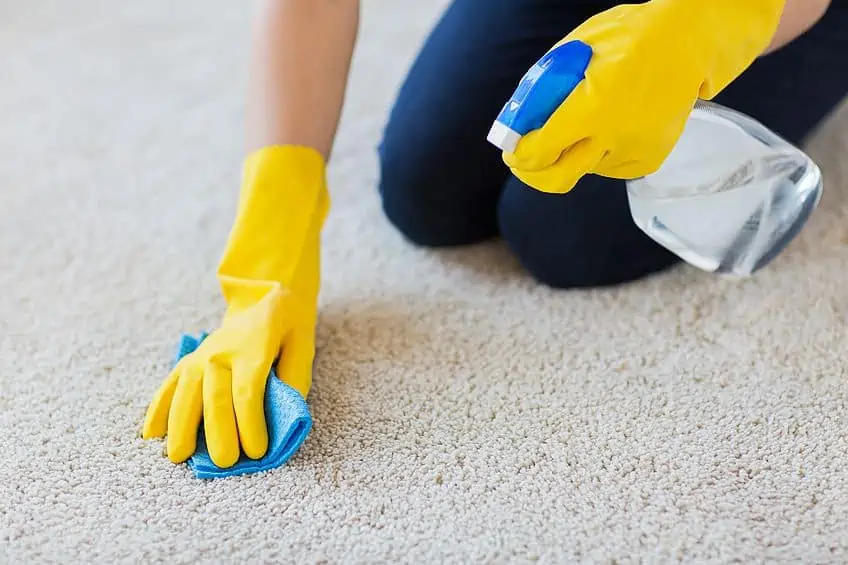
The types of fabric used for clothing, carpets, or furniture differ considerably and even minor damage can affect an entire item. For larger items, like carpets, you will need a slightly different method to that on clothing. Rubbing alcohol is much more gentle on the fabric than acetone, so this is a better option. Be sure you test a small spot so you know there will be no damage caused.
Use a cotton swab to coat the dry glue accurately without saturating the carpet. Next, use some petroleum jelly or other oils to help you carefully remove it from the affected region. It's recommended to minimize contact with any chemical solvents or oils as they can easily damage some fabrics permanently.
Removing Super Glue from Tough Surfaces
A superglue spill can happen on any type of surface. The following techniques are the best for super glue removal from glass, metal, and plastic surfaces. Many of the same substances and techniques can be used to remove super glue from these surfaces, but the processes may differ slightly. Fortunately, these surfaces are less delicate than fabric or wood, so you can be a little more aggressive with your removal methods.
How to Get Super Glue off Plastics
The approach to a super glue spill on a plastic surface is different and is certainly more time-consuming. Acetone has the potential to deteriorate certain plastics, so it's not the best for this job. The following methods are natural and won't require any chemicals, and are ideal for removing stubborn super glue on plastic surfaces.
How to Remove Super Glue from Plastics with Oil or Vinegar
You can also use vinegar or oil found around the house to remove super glue. Either apple cider or white vinegar is well suited for this. If you choose to use oil, you can try vegetable oil, olive oil, or even a dash of baby oil. The procedure is identical for either oil and vinegar. Wash the glue region with the diluted oil or vinegar using cotton balls. You can wear gloves to prevent mess. Oils saturate the glue allowing for easy removal, while vinegar loosens with its acidity. A few minutes later, you can carefully try and lift the glue from the plastic surface using a flat-edged tool.
When this is complete, wiping down the area will ensure the removal of and glue traces left behind.
How to Remove Super Glue from Plastics with Water
Water may not seem like an effective method for removing super glue from plastic surfaces, but it is the most simple method available. All you need for this method is a cloth that you don't mind dying and some warm soapy water. Firstly, the cloth needs to be soaked in warm water and soap and squeezed out. Then placing the damp cloth on the dried glue will saturate and soften it. To prevent it from drying out, you can seal this with some plastic wrap. Let the wrap remain there for a few hours. After this, you can remove the softened glue with a dab of alcohol or acetone.
How to Remove Super Glue from Plastics with Acetone
The following steps use acetone with this method, should you prefer. As with super glue removal from wood or other surface types, using a dash of acetone will help lift the glue from the plastic surface. However, if you add too much acetone it can corrode the plastic. A swab will help you cover the edges of the glue spill accurately. Flat-edged tools will then help in removing it from the surface. This method also applies when the glue is still wet on wood, plastic, countertops, and other surface types. Apply the acetone or alcohol to the wet spot and it will easily wipe away. Wipe the area afterward to clear any residue away.
Removing Super Glue from Glass and Metals
When you work with materials like glass it's best to exercise caution. Attempting to remove super glue from a glass surface should be done gently and carefully. If the glass should crack or break, you could injure yourself. You can prevent these problems by using a specialized super glue product for glass, which will lessen the risk considerably. This includes silicone-based superglue products, as they are well-suited for working with stronger materials like metal or glass. Often if you are dealing with an accident, you might have to improvise without all the right tools. Luckily there's always a simple solution in these situations.
How to Remove Super Glue from Metal with Hydrogen Peroxide
When you remove super glue from metal it is a different procedure, as metal is far more durable than glass. Acetone can be used to get rid of superglue, but here's an even more effective way to handle it. For this method, you will use hydrogen peroxide or lighter fuel for glue removal. Begin by wiping the metal surface and removing any remaining traces of debris or dust. Identical to the acetone method, douse a cotton ball in lighter fuel and use it to soak the glue. The peroxide or lighter fuel will start to break down the glue, allowing you to easily wipe it away. With more stubborn areas of glue, several applications may be needed. Using tools might also help you to properly remove the super glue. When this is complete, ensure that you wash the area properly using a clean cloth with soapy water. This removes any toxic residue left behind.
Wearing gloves is essential for this method as the hydrogen peroxide is extremely toxic.
How to Remove Super Glue from Glass with Soap and Water
If for whatever reason, you do not wish to use acetone or alcohol, this method will help remove the super glue. This is a far more gentle technique requiring only soap and warm water. Soak a rag or cloth with warm water. Wipe the dry glue with the cloth and allow it to rest there and seep in. Repeat this step if needed, to saturate the glue properly. When it's completed you can simply wipe it away.
How to Remove Super Glue from Glass with Acetone
As with other materials, pure acetone or alcohol is a sure option for glass too. With a rag or cotton swab, apply the acetone to the dried super glue and let it seep in properly before you proceed to the next step. With a sharp-edged blade or knife, carefully peel the dry glue away from the surface. Completely saturating the glue and lifting it from the glass may take a few tries. Be sure to wipe the area once you have removed the glue.
A Summary of the Best Methods for Removing Super Glue
| Remove super glue with these items below: | Skin | Plastic | Wood | Glass | Metal | Fabric |
| Acetone | ✔ | ✔ | ✔ | ✔ | ✔ | ✔ |
| Rubbing Alcohol | ✔ | ✔ | ✔ | ✔ | ✔ | ✔ |
| Paint Thinners – warning flammable. | ✔ | ✔ | ✔ | ✔ | ✔ | |
| Lighter Fluid – caution highly flammable | ✔ | |||||
| Hand Sanitizer | ✔ | ✔ | ✔ | ✔ | ✔ | |
| Vinegar | ✔ | ✔ | ✔ | ✔ | ||
| Petroleum Jelly | ✔ | ✔ | ||||
| Moisturizer | ✔ | ✔ | ||||
| Artist Medium Oils | ✔ | ✔ | ✔ | |||
| Coconut oil | ✔ | ✔ | ✔ | |||
| Sunflower Or Vegetable Oil | ✔ | ✔ | ✔ | ✔ | ||
| Butter Or Margarine | ✔ | ✔ | ✔ | |||
| Peanut Butter | ✔ | ✔ | ✔ | |||
| Salt | ✔ | |||||
| Lemon Juice | ✔ | ✔ | ✔ | ✔ | ||
| Ice | ✔ | ✔ | ✔ | ✔ | ||
| Soap and Water | ✔ | ✔ | ✔ | ✔ | ||
| Nail File | ✔ | ✔ | ✔ | |||
| Sandpaper | ✔ | ✔ | ||||
| Mayonnaise | ✔ | ✔ | ✔ |
Super glue is a household item often used for on-the-spot repairs and a range of other purposes. A major issue when you use super glue is the risk of sticking your fingers together, or you could cause spills in unwanted areas. Although spilling super glue may seem like a disaster, it is not the end of the world. With the information in these guides, you will be able to remove super glue from any surface you may spill it on.
Frequently Asked Questions
How to Dissolve Super Glue?
There are numerous household items that are effective for dissolving and removing super glue. You might use rubbing alcohol or acetone, as they are often used and are known to produce good results. When you need to remove dried super glue from your skin or any other type of surface, these will also come in handy. You could also try artist's oils, lemon juice, or cooking oil.
What Removes Super Glue?
Alcohol is a widely used super glue remover. There are numerous substances that are high in alcohol content that can be used to effectively remove adhesives from your skin or different surface types. There are products such as paint thinner, nail polish remover, hand sanitizer, paint stripper, or even lighter fuel. Be cautious when dealing with these as they are extremely flammable.
How to Remove Dried Super Glue?
Super glue removal is a far simpler task once it has dried. Trying to work with glue in a fluid state can easily become messy, so it's a better idea to leave it to dry. You can remove dried super glue using different methods, but it depends on what type of surface you are working with. For instance, if you need to remove dried super glue from fabric or clothes, a good plan would be to put the item into the freezer.
What Makes a Good Super Glue Remover?
There are certain specialized products for removing super glue. These will be useful if you are without any household removers or you need a stronger option. Substances with a high chemical content aren't best suited for use on every type of surface, like GooGone or WD40. They lubricate the dry super glue and make it easier to just wipe away using a cloth.
How To Clean Up Super Glue
Source: https://craft-art.com/how-to-remove-super-glue/
Posted by: fowlercacked.blogspot.com
0 Response to "How To Clean Up Super Glue"
Post a Comment